
Call us now :08045479356
 Send Inquiry
 Send Inquiry
Crimping Type Copper Tubular In line Connector
MOQ : 50 Pieces
Crimping Type Copper Tubular In line Connector Specification
- Condition
- New
- Surface Treatment
- Tin Plated for Corrosion Resistance
- Diameter
- Varies 4 mm to 38 mm Depending on Size
- Finish
- Bright Tin-Finish
- Size
- 1.5 sq.mm to 630 sq.mm
- Outer Diameter
- Varies as per capacity
- Cross Dimension
- Standard as per IS Specifications
- Product Type
- Copper Tubular In-Line Connector - Crimping Type
- Shape
- Cylindrical Barrel
- Strength
- High Mechanical Strength for Secure Connections
- Hardness
- Annealed for Optimum Electrical Conductivity
- Alloy
- 99.9% Pure Copper
- Grade
- EC Grade (Electrolytic Copper)
- Length
- Varies depending on cable size (typically 25mm - 150mm)
- Width
- Approx. 8 mm - 25 mm depending on model
- Thickness
- 0.8 mm - 2.5 mm
- Color
- Copper (Silvered by Tin Plating)
- Corrosion Resistance
- Yes, due to Tin Plating
- Installation Method
- Crimp Tool Compatible
- Temperature Range
- -55°C to +105°C
- Packaging
- Boxed/Bagged as per Quantity
- RoHS Compliance
- Yes
- Max Current Rating
- Upto 630A (Depends on Size)
- Fire Resistance
- Yes (Does not propagate flame)
- Lug Type
- Butt/In-line Joint
- Usage
- Suitable for LV, MV Power Cables and Control Cables
- Application
- Electrical Wire Splicing, Termination, and Joining
- Connection Type
- Crimp (Mechanical Crimping Required)
Crimping Type Copper Tubular In line Connector Trade Information
- Minimum Order Quantity
- 50 Pieces
- Payment Terms
- Cash on Delivery (COD), Cash in Advance (CID), Cheque, Cash Advance (CA)
- Delivery Time
- Week
- Sample Available
- Yes
- Sample Policy
- Free samples are available
- Main Export Market(s)
- Australia, Africa, Western Europe, Central America, Eastern Europe, Middle East, South America, Asia, North America
- Certifications
- Yes
About Crimping Type Copper Tubular In line Connector
Air Rod can be installed with or with out multiple point.
| Prod. Code | Cable mm2 | Dimensions | ||
| A | B | C | ||
| NC 1.5 | 1.5 | 1.8 | 3.7 | 22 |
| NC 2.5 | 2.5 | 2.4 | 4 | 22 |
| NC 4 | 4 | 3.1 | 4.8 | 22 |
| NC 6 | 6 | 3.8 | 5.5 | 22 |
| NC 10 | 10 | 4.5 | 6.2 | 22 |
| NC 16 | 16 | 5.4 | 7.1 | 44 |
| NC 20 | 20 | 6.3 | 7.7 | 44 |
| NC 25 | 25 | 6.8 | 8.8 | 47 |
| NC 35 | 35 | 8.2 | 10.6 | 47 |
| NC 50 | 50 | 9.5 | 12.4 | 47 |
| NC 70 | 70 | 11.3 | 14.7 | 50 |
| NC 95 | 95 | 13.5 | 17.4 | 54 |
| NC 120 | 120 | 15 | 19.4 | 65 |
| NC 150 | 150 | 16.5 | 21.2 | 65 |
| NC 185 | 185 | 18.5 | 23.5 | 65 |
| NC 240 | 240 | 21 | 26.5 | 89 |
| NC 300 | 300 | 23.5 | 30 | 89 |
| NC 400 | 400 | 28.5 | 36.5 | 90 |
| NC 500 | 500 | 30 | 39 | 115 |
| NC 550 | 550 | 31.7 | 41.5 | 115 |
| NC 630 | 630 | 35 | 45 | 115 |
| NC 800 | 800 | 39 | 50.6 | 230 |
| NC 1000 | 1000 | 43 | 56.2 | 230 |
Material: E-Copper
Finish: Copper/Electro Tinned
Reliable Wire Splicing and Joining Solution
Engineered for safe and lasting performance, our crimping type copper tubular in-line connectors are trusted for splicing, joining, and terminating electrical wires in LV and MV applications. Their mechanical design provides high strength, while tin plating ensures resistance to corrosioneven in challenging environments.
Outstanding Conductivity and Durability
Manufactured from 99.9% pure electrolytic copper, these connectors deliver superior electrical conductivity and minimal power loss. The connectors are annealed for the ideal balance of strength and softness, supporting repeated use without fatigue or damage.
Quick and Secure Installation Process
Installation is straightforward: simply select the correct connector size based on your wire gauge, insert the stripped conductor ends, and use a crimping tool to compress the barrel. The connection remains secure, fire-resistant, and does not propagate flame, meeting stringent safety standards.
FAQs of Crimping Type Copper Tubular In line Connector:
Q: How do I properly use the crimping type copper tubular in-line connector for electrical wire splicing?
A: To use the connector, strip the insulation from your wires, insert both ends into the in-line connector, and apply a mechanical crimp using a compatible crimping tool. Ensure the connector size matches the cable specification (1.5630 sq.mm) for a secure and stable electrical connection.Q: What cables and applications are suitable for these in-line connectors?
A: These connectors are suitable for low voltage (LV) and medium voltage (MV) power cables and control cables, commonly used for splicing, terminating, or joining conductors in electrical control panels, distribution boards, and industrial installations.Q: When should I use a crimping type copper connector instead of a soldering method?
A: Crimp connectors are recommended when you require a fast, reliable, and flame-resistant joining solution. Unlike soldering, crimping does not require heat, reduces installation time, and offers consistent mechanical and electrical performance in demanding environments.Q: Where can I install these connectors, and are they resistant to harsh environments?
A: You can install these connectors in both indoor and outdoor environments. The tin-plated surface provides excellent corrosion resistance, making them ideal for use in humid or corrosive conditions, including substations and industrial facilities.Q: What are the benefits of using tin-plated copper tubular connectors?
A: The benefits include enhanced corrosion resistance, long-term reliability, superior conductivity due to EC grade copper, fire resistance, and a secure mechanically crimped connection. The bright tin finish also ensures compatibility with various cable types and easy identification.Q: How do I select the right size and model for my installation?
A: Choose the connector size based on your cables cross-sectional area (available in sizes from 1.5 sq.mm up to 630 sq.mm). Verify the length, width, and diameter that match your cable and crimping tool, and always follow IS specifications for standard installations.Q: What certifications and safety features do these connectors have?
A: The connectors are RoHS compliant, fire-resistant (non-flame propagating), and manufactured according to IS standards. Their construction and finish provide added safety, making them suitable for critical electrical applications across diverse industries.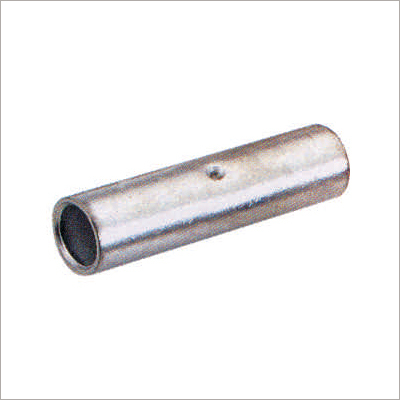
Tell us about your requirement

Price:
Quantity
Select Unit
- 50
- 100
- 200
- 250
- 500
- 1000+
Additional detail
Mobile number
Email

More Products in Copper Products Category
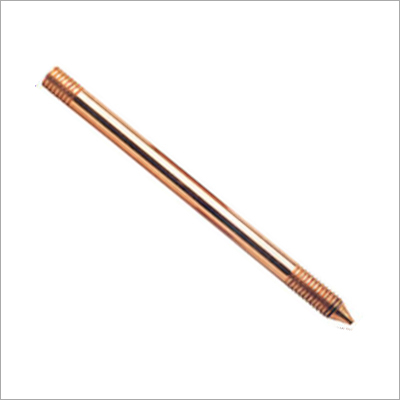
Solid Copper Earth Rod
Minimum Order Quantity : 50 Kilograms
Surface Treatment : Polished
Product Type : Copper Electric Products, Copper Electric Products
Color : reddishbrown
Warranty : 1 Year
Alloy : No
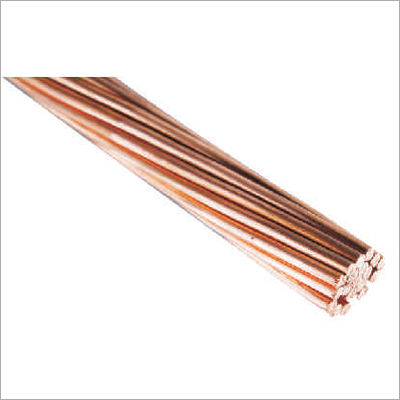
Bare Copper Conductor
Minimum Order Quantity : 100 Pieces
Surface Treatment : Polished
Product Type : Copper Electric Products, Copper Electric Products
Color : reddishbrown
Warranty : 1 Year
Alloy : No

Lattice Copper Earth Mat
Minimum Order Quantity : 100 Pieces
Surface Treatment : Polished
Product Type : Copper Electric Products, Copper Electric Products
Color : reddishbrown
Warranty : 1 Year
Alloy : No
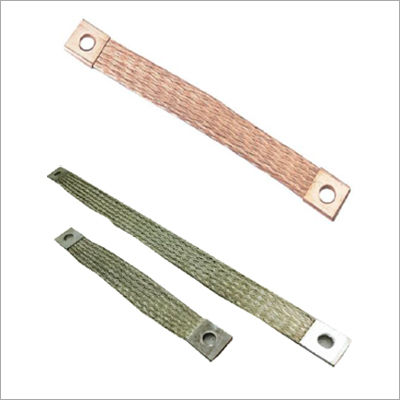
Copper Braid Bond
Minimum Order Quantity : 100 Pieces
Surface Treatment : Polished
Product Type : Copper Electric Products, Copper Electric Products
Color : reddishbrown
Warranty : 1 Year
Alloy : No

 Send Inquiry
Our Products

716, Floor-7 Th, Plot-Cs 1487, Prasad Chamber, Tata Road No 2, Roxy Cinema, Opera House, Girgaon,Mumbai - 400004, Maharashtra, India

Mr. Jayant Chandan
Mobile :08045479356
 Send Inquiry
 Send SMS
Developed and Managed by Infocom Network Private Limited.
